
Online shopping has transformed how we buy everything from daily essentials to once-in-a-while splurges.
What was once a convenience is now a mainstay. Over 2.6 billion people worldwide shop online, driving a market worth more than $5.8 trillion annually.
But while shopping online is easier than ever, it also demands more awareness. Protecting your personal information, avoiding scams, and choosing reputable sellers have become essential skills.
A safe online shopping experience means more than avoiding fraud; it’s about shopping with confidence, understanding your choices, and feeling good about every transaction.
In this guide, we’ll walk through practical tips to help you shop securely. Whether you’re new to buying online or simply want to refresh your habits, these steps can help you enjoy all the convenience of online shopping without the worry.
Why online shopping safety matters
The rise of online shopping has brought remarkable convenience, but it’s also introduced new challenges.
In 2022, the FBI’s Internet Crime Complaint Center (IC3) recorded over 300,000 complaints about phishing alone. Fraudsters have become more creative, setting up fake stores, intercepting payments, and tricking customers with too-good-to-be-true offers.
Safe shopping isn’t about being fearful; it’s about being informed. With a few mindful practices, you can reduce your risk and enjoy a smoother experience.
Plan your purchases and research sellers
Good planning is the foundation of safe shopping.
- Create a clear list of what you need before browsing. This reduces impulse buying and helps you focus on trusted sources.
- Research unfamiliar sellers. Check their reviews on independent platforms like Trustpilot or look for any complaints via consumer protection bureaus.
- Look for clear contact information, including a physical address, phone number, and customer service options.
Legitimate businesses don’t hide who they are. Transparency is a reliable marker of trustworthiness.
Check website security
A quick check of a website’s address can tell you a lot.
- Always look for HTTPS at the start of the URL—the “S” stands for secure.
- A padlock icon in the address bar signals that the site uses encryption to protect your data.
- Be cautious of sites that lack this, especially if they’re asking for payment or personal details.
This simple check reduces the chance of your information being intercepted.
Choose secure payment methods
Not all payment methods offer the same level of protection.
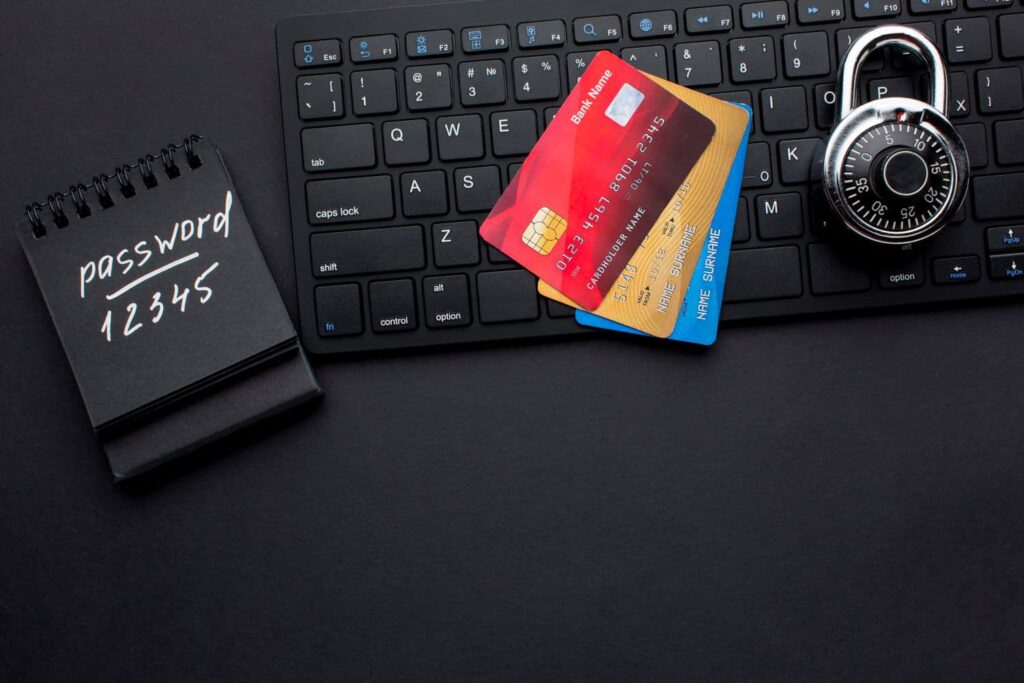
- Credit cards often have built-in fraud protection and allow for disputes.
- Trusted payment services like PayPal or Apple Pay act as intermediaries and add another layer of security.
- Many banks now offer virtual cards for online purchases, keeping your real card details hidden.
Avoid direct wire transfers or payments via unfamiliar apps unless you know and trust the seller.
Tip: Review your bank statements regularly to spot unexpected charges early.
Be cautious of unrealistic offers
Deals that sound too good to be true often are.
- Be cautious of huge discounts from unknown sellers.
- If you see a product advertised at a fraction of its usual price, search for it on other sites to see typical pricing.
- Look for detailed product descriptions, clear photos, and verified customer reviews.
Fraudsters often use unbelievable prices to create urgency. Slow down and assess before you click “Buy.”
Understand return and refund policies
A clear return policy is a sign of a reputable seller.
- Look for policies that explain timelines, conditions, and whether return shipping is free or at your cost.
- Be wary of sites with no visible return policy.
- Check for details about refunds, will they be full or store credit?
Understanding this before you buy avoids surprises later.
Protect your personal information
Only share what you need to complete a purchase.
- Legitimate sites don’t need unnecessary details like your social security number or personal ID for regular purchases.
- Review privacy policies if you’re unsure how your data will be used.
- Avoid saving payment details on unfamiliar sites unless you shop there regularly and trust them.
Being mindful about what you share reduces your risk of identity theft.
Use strong passwords and two-factor authentication
Your account security matters.
- Choose strong, unique passwords that mix letters, numbers, and symbols.
- Avoid using the same password across multiple sites.
- Consider a password manager to help you keep track.
- Enable two-factor authentication (2FA) whenever possible.
According to Google, 2FA can block over 99% of automated attacks on accounts. In essence, It’s a simple step with a big impact.
Track orders carefully
After purchasing, keep an eye on your delivery.
- Use the tracking number provided by the seller.
- Be wary of unsolicited texts or emails with tracking links you didn’t request.
Scammers sometimes send fake delivery updates to trick you into entering personal information. When in doubt, go directly to the seller’s website to check your order status.
Avoid public Wi-Fi for transactions
Public networks can be less secure.
- If shopping while out, use your phone’s data connection rather than free Wi-Fi.
- Consider using a Virtual Private Network (VPN) to encrypt your connection.
This reduces the risk of eavesdropping or data theft while you shop.
Support verified and transparent sellers
One of the simplest ways to stay safe is to choose reputable retailers.
- Look for businesses with a clear history and presence.
- Check for customer service options and clear contact details.
- Favor sellers who explain their sourcing, manufacturing, or fulfillment processes.
Transparency isn’t just good service, it’s a commitment to accountability.
Recognize and avoid phishing attempts
Phishing emails or fake sites can mimic real retailers.
- Check sender addresses carefully.
- Look for typos or strange formatting in emails.
- Avoid clicking on links from emails you didn’t expect.
If you’re not sure, go directly to the retailer’s site by typing the address into your browser.
The FBI notes that phishing remains the most common cybercrime, with hundreds of thousands of complaints each year. Staying alert is one of your best defenses.
Review app permissions on mobile devices
Mobile shopping apps can be convenient but pay attention to permissions.
- Check what data the app wants access to.
- Only allow permissions that make sense for shopping—like push notifications or payment services.
- Be cautious of apps requesting access to your contacts, camera, or location if it’s unnecessary.
Keeping permissions lean reduces your data exposure.
Enable alerts and notifications
Banks and payment providers often let you set up purchase alerts.
- Turn on email or SMS notifications for new charges.
- Review them promptly to catch any unauthorized activity.
This quick step helps you stay in control of your spending and react swiftly if something seems off.
Final thoughts
Shopping online has become second nature for many of us, but that doesn’t mean we should take security for granted.
By planning your purchases, choosing secure payment methods, checking website security, and being mindful of the information you share, you can make online shopping safer and more enjoyable.
At MayAra, we believe in making everyday choices simpler, clearer, and more empowering. By adopting these thoughtful habits, you’re not just protecting yourself, you’re also building trust in the entire online marketplace.